“ROMAIN’S EMPIRE”
MADE IN 1792
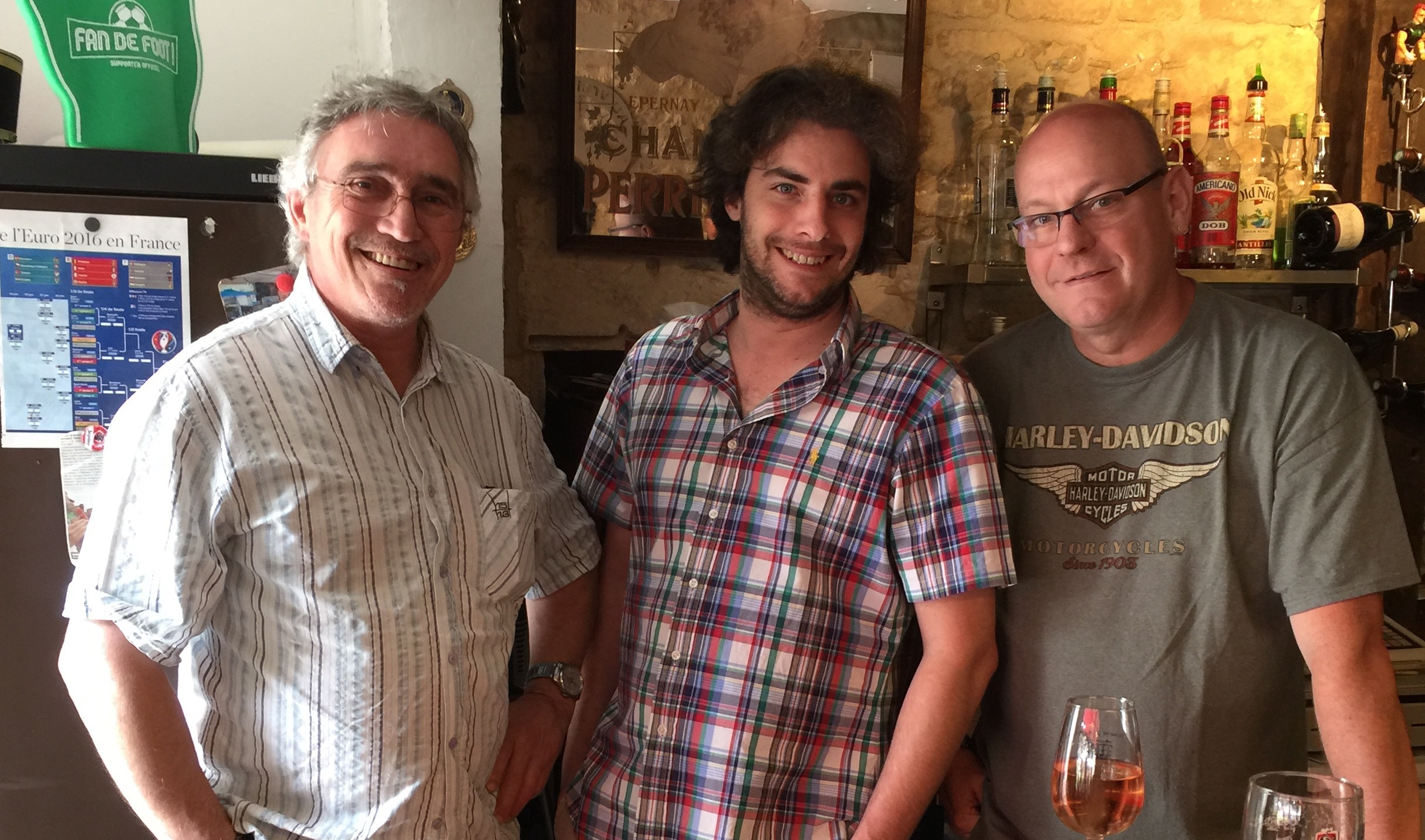
In an ocean of drab Chablis, the wines of Romain Collet possess an afterglow of nuance and restraint. I’ve spent the last decade getting to know this young talent and tasting the results of his labor; his wines are a testament to the dynamic and noble capabilities of cool climate Chardonnay.
Sometimes you like a wine because you like the winemaker. Sometimes you like a wine because it’s simply a good wine, and you don’t know the winemaker; you might never meet the winemaker, and you don’t care, because the wine is that good. The best situation is when you like a wine because it’s damn good, then you meet the winemaker without a scintilla of expectation, and the winemaker is equally magnetic, expressive, and passionate as what you find in the glass.
The Collet name has always resonated with me as a benchmark of what classical wines taste and feel like, how Chardonnay from Chablis has its own shape and curve, and cannot be mistaken for Chardonnay from Puligny, to say nothing of Chardonnay from Sonoma. When most were just starting to learn about wine, Romain was beginning to work side-by-side with his father after completing his formal degree in enology at Beaune. The Collet family traces their wine roots back to 1792; it has never occurred to Romain to do anything else. The family has controlled an impressive suite of parcels in Chablis’ best sites: Les Clos, Valmur, Mont de Milieu, Montée de Tonnerre, Vaillons, Montmains, Butteaux, Forêts, Séchet, and the silent overachiever, Les Pargues. Romain has grown up with these vineyards; he is like a human compass for these vines. In 2008 Romain took over winemaking for Domaine Collet after his father suffered a stroke; one year later he started his own Domaine, Romain Collet. His inaugural vintage was 2009, and he was only 23.
With his own wines, he could experiment with natural yeasts in the cellar, and was immediately taken with the results, wines of complexity, of nuance and a seamless pop of tension. He is, he’d tell you, an adherent of harmony: If there’s one thing he hates, it is wines that feel disjointed, jumbled, broken.
Today, most of Romain’s parcels are certified organic by France’s Bureau Veritas; by the end of 2020 that figure will be 100%. Are these “natural” wines? Collet applies is a small addition of sulfur during fermentation and at the bottling stage, so no, not completely. Are these some of the most delicious wines? Hell Yeah!
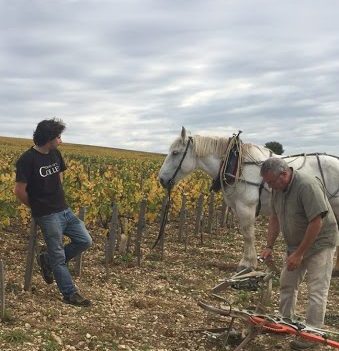
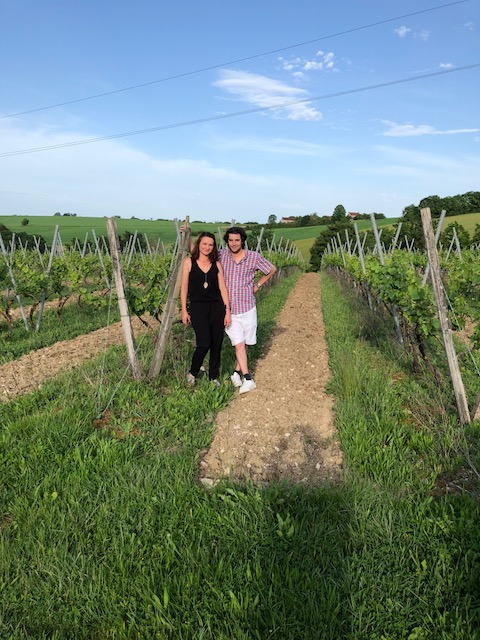
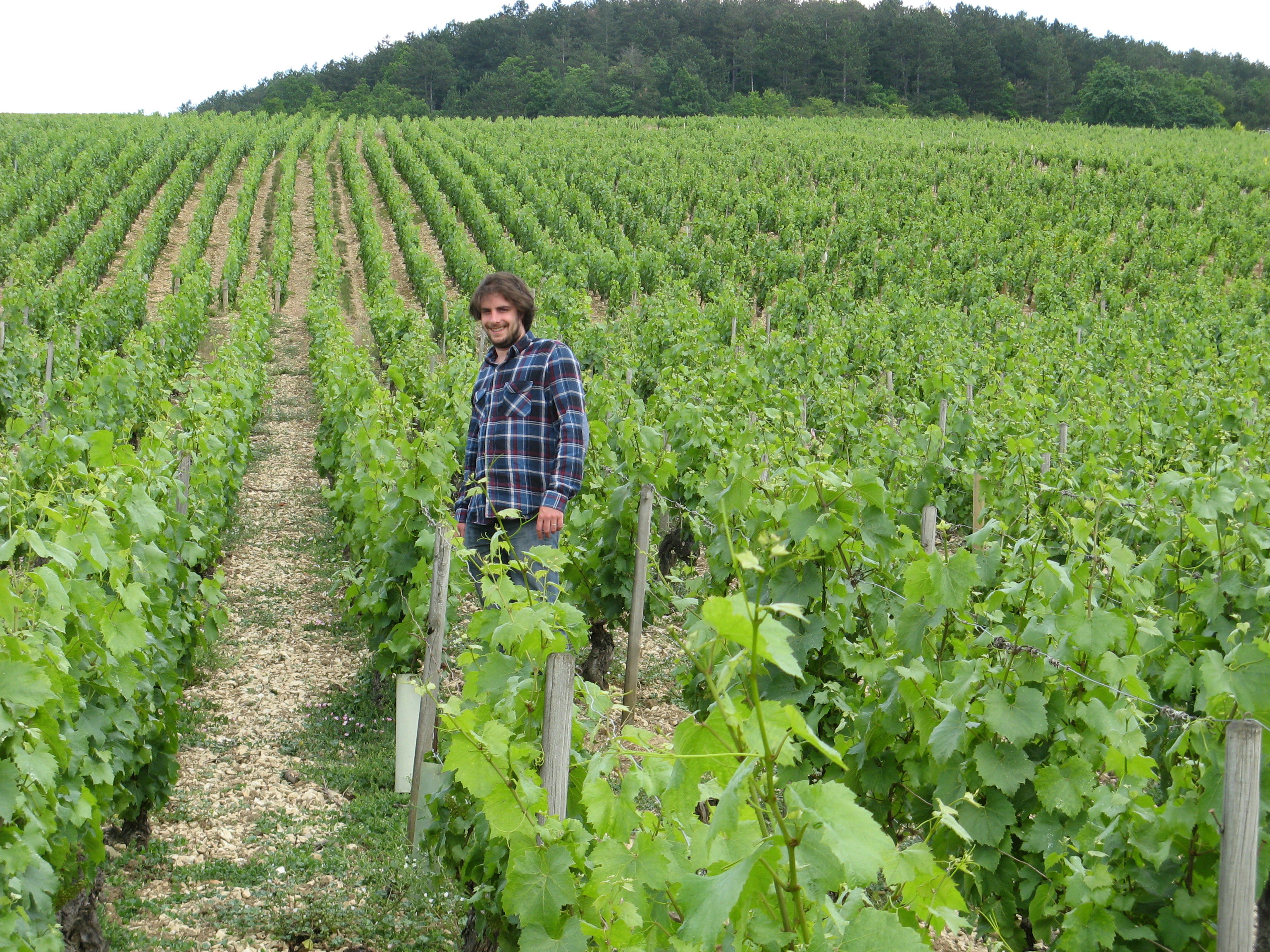
With 40 hectares of vines across the finest vineyards of Chablis, Romain Collet makes wines from Chardonnay that express the inimitable character of terroir à la chablisienne. When his winemaking is finished for another year and the young wines are racked off to rest and mature, the tanks and barrels retain the fine lees of winemaking. The cloudy mixture of wine and yeast that make up the lees can’t be bottled for obvious reasons. Still, that’s good stuff, and it would be a shame to throw it out or feed it to farm animals. The traditional solution to this problem, is to distill the lees into brandy. Across the region in the cold fading light of fall, winemakers and farmworkers would gather in cheery groups around small column stills to get warm as they boil off the alcohol and aromatic components of the wine. The result is Fine de Bourgogne.
Romain and his family have always made Fine de Bourgogne. It’s as deep in the tradition of Chablis as the Collet family roots, which reach back to 1792. Usually, Romain keeps his Fine for family and friends. Yet, every once in a while, a barrel gets made that is so good it should be shared beyond the town of Chablis…it should be shared with the world! That’s the story of this barrel.
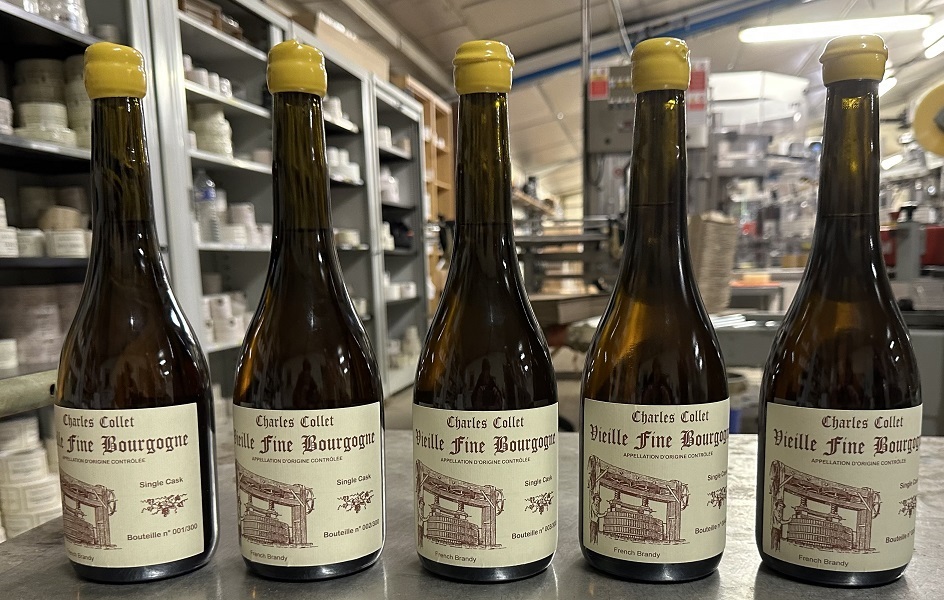
Charles Collet was Romain’s great-great grandfather, and the first Collet to make a mark in Chablis winemaking. It was many years after him that the domaine first started bottling their wine for market in 1954, but Charles set the template for quality and investing in vineyard land that formed the core of estate. Charles certainly made Fine de Bourgogne, so Romain felt it appropriate to name this Fine in honor of him.
This is a Vieille Fine de Bourgogne, which means it aged more than five years in oak barrel before bottling. As you can guess, the fruit source is fine lees of pure Chardonnay from 1er Cru and Grand Cru vineyards alike. The sole vintage source is 2015, which was one of those years vignerons dream of when the fruit comes in so easily and so healthy that all they have to do is get out of the way of the natural processes that will make the wine great. It’s a single cask of 288 bottles, that’s it. We asked Romain his thoughts and here is what he had to say: “The Vieille Fine is supple without any of the rusticity of a Marc. Pretty amber color with a bouquet of walnuts, hazelnuts, and dried fruits like apricot and fig. The palate is round and enveloped showing very nice length. It would do well in a small balloon-style glass that you can warm in your hands and release the beautiful fruity/nutty aromatics. You can also think of using it in any cocktail where a fine VSOP Cognac would be appropriate.”
Crémant from Chablis is a rarity indeed, and if anyone knows of another, let me know! Romain crafts his Crémant from estate vines in the commune of Villy planted in soils of oyster marl and with a superb sloping south-east exposure. The Chardonnay is hand picked into small perforated crates to keep airflow around the fruit and to prevent crushing. Romain vinifies his vintage base wine in thermo-regulated stainless steel tanks where it completes both alcoholic and malolactic fermentation. He gives the wine nine months in tank before bottling. 2021 and 2022 both contribute to this release. Once bottled, his Crémant ages for 24 months on its fine lees before disgorgement. The dosage is 4 g/l. It has a persistent mousse, with scents of white-stone fruits, chamomile, honey and wild flowers followed by the tell-tale impression of long lees aging: the wonderful taste of fresh brioche. In the finish you will find excellent minerality and acidity with a whisper of toast. Think Blanc de Blancs bubbles without the heart-stopping price tag of bottles from further north.
Romain Collet’s mother, Dominique, comes from another venerable Chablis family. They’re from Tonnerre, a short 10-minute country drive from the center of Chablis. For several generations the family has owned two plots of Pinot Noir in Tonnerre’s finest vineyard called Les Vaux de l’Aumone, which means the Valley of Charity (alms). There are two plots: one planted in the 60’s and one in the 70’s. With the passing of Dominique’s mother, the vines came to Delphine Collet, Romain’s sister, a chiropractor, who thought she might continue the family practice of selling the fruit of the vineyard to the local cooperative. Romain, however, had always felt the Pinot Noir of Les Vaux de l’Aumone was far too good to sell off, so he convinced his sister to allow him to make the wine. Voila! Hand-harvested fruit, meticulously sorted, fermented with indigenous yeast, and given a long, patient elevage, which is so good for cool-climate pinot noir fruit. It is an expressive wine, vinous and bright, with dried cherry flavors and a slightly leathery, turfy feel of tannin, compact and red-fruited. This is a wine that will delight seasoned palates and novice tasters alike.
Two white grapes are permitted in Burgundy: Chardonnay we all know, but Aligoté is easy to overlook. The reason for this is that Chardonnay hogs all the most well-known sites. The key to great Aligoté is great dirt to grow in and some TLC. It doesn’t hurt either if the winemaker comes from many generations of Chablis’ finest vignerons and is a talented, passionate and driven winemaker himself who is showing the world what he can do with Chardonnay and Pinot Noir, for sure, but also his secret “every-day” favorite, Aligoté.
Romain’s Aligoté comes from 100% estate vines in Auxerre just south of Chablis proper. The soils are clay-limestone, well-drained and on a gentle hillside facing due south. This is one of those off-the-beaten path vineyards where Romain can show his high regard for Aligoté without breaking the bank, his or ours! No herbicides, fungicides or artificial fertilizers are used, just careful mechanical cultivation. In 2022, the conditions were just right for a superb wine here, hot and dry allowing the grapes gain that honeyed, flinty quality that Aligoté shows when everything is in balance. The fruit was hand picked and sorted, then pressed gently in a pneumatic bladder press followed by cold static settling for 24 hours. Alcoholic fermentation was allowed to take place spontaneously with “field” yeast. Aged for nine months on its fine lees in thermo-regulated stainless steel tanks, bottled and allowed to rest for 12 months on the cork. The nose offers citrus and ripe stone fruit notes with a touch of smoky minerality on the palate. Of course, the acidity is perfect for a refreshing and persistent finish. Great Burgundy from a great winemaker. À votre santé.
The old Chardonnay vines that make up the delicious Chablis “Cuvée Paul” 2023 come from the family of Romain’s mother, Dominique. Located on a south-east facing hillside above the tiny town of Villy, Dominique’s family planted these vines in 1932, and has been making wine here for just on 90 years. It is a “chunky” vineyard composed of primarily Portlandian limestone with less clay than is found elsewhere in Chablis. The sun exposure of the vineyard is excellent, while the planting is dense with 6,000 vines per hectare that are maintained by massal selection and manual cultivation. Hand picked fruit, gentle pneumatic pressing, 100% native yeast and raised in INOX tanks with 12 months aging. The wine offers scents of pear and lemongrass, while the palate suggests delicate hazelnut and nutmeg with an iodized maritime quality and fresh mineral acidity that accompany its persistent finish.
Romain’s parcel of Les Forêts was planted in 1973 by his father Gilles and replanted in 2008, with yields of less than 40 hl/ha. The vineyard is certified organic by the Bureau Veritas. Collet ferments the wine in a combination of 90% cement egg and 10% used barrel (cigar-shaped, 312 liters), aged for about 12 months. No stirring of the lees. Les Forêts’ appeal lies within its shape and texture, dynamic and angular, which flirts with scents of wet stone, sea spray and peach skin. On the palate find savory nuances, white flowers, honey, and anise.
Mont de Milieu is a fan-shaped vineyard, on the right bank of the Serein River where the soils are more white and chalky; the Kimmeridgian deposits lie closer to the surface. The average age of the Collet vines is 45 years old, partially replanted in 2000 by Romain’s father, Gilles, with a special small berry clone (#75). Like all of Romain’s 1er Cru vineyards, this is certified organic by Bureau Veritas. The wine is fermented and aged in demi-muids of 600-liter size for about 10 months, then moved to stainless steel tanks briefly prior to bottling. In comparison to Montée de Tonnerre, Mont de Milieu richer and broader in character. Fresh and fleshy on the palate, this will take six months in the bottle very well. It’s defining right-bank trait is that fine dart of salinity. Vin de cuisine!
The Collet parcel in Montmains comes from a block just above Forêts called Perrières. Collet’s other 1er Cru wines see some wood, but not this one; it’s fermented and aged in 100% thermoregulated stainless steel tanks. Romain likes to showcase the tension of Perrières and the wizardry of its older vines (~40 years). No lees stirring. Allen Meadows had this to say: “A much more floral nose expresses nuances of citrus confit and spice if more moderate amounts of Chablis character. There is however both better volume and refinement to the medium-bodied flavors that offer a lovely minerality on the lingering, balanced and delicious finale.”
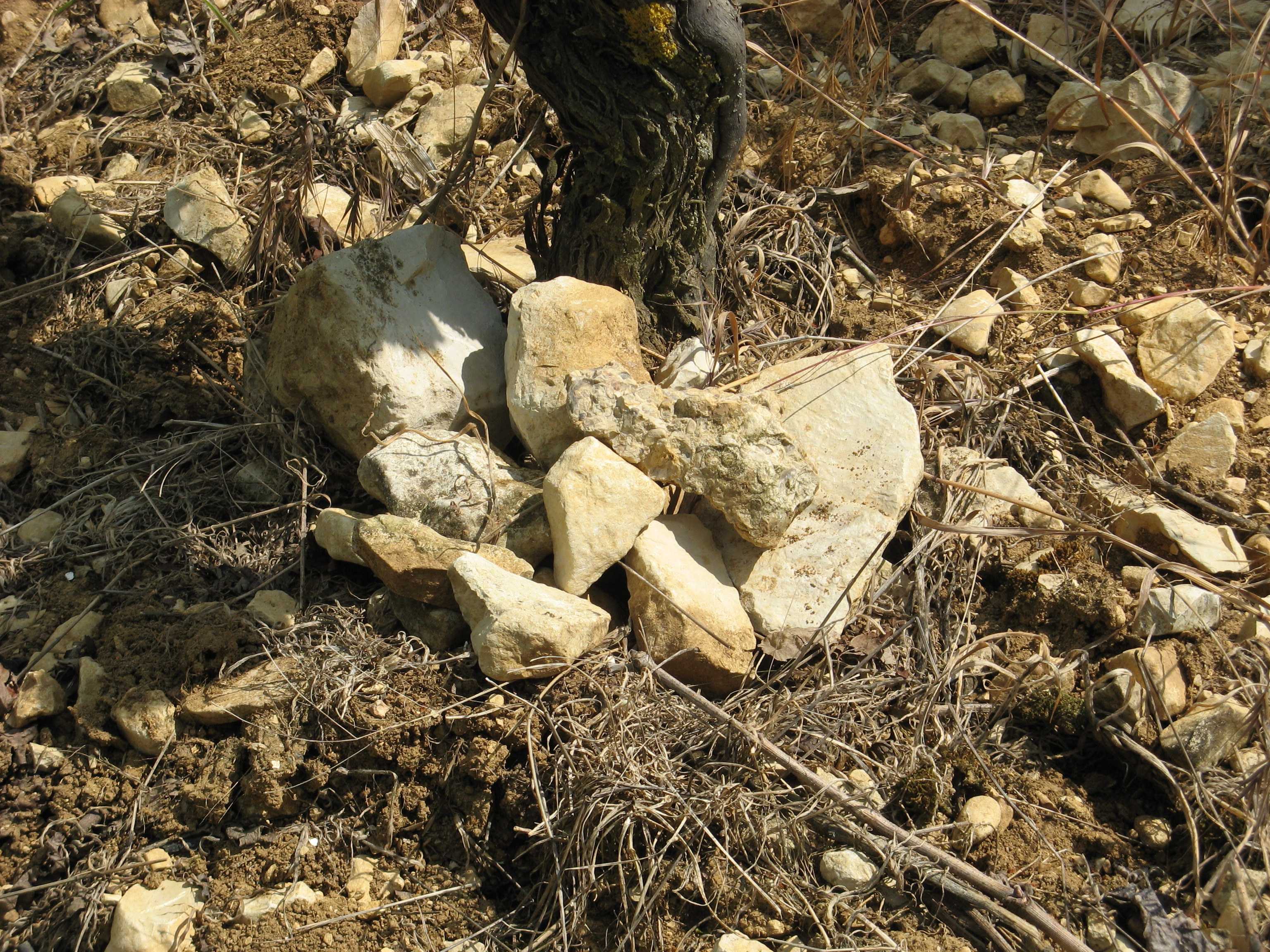
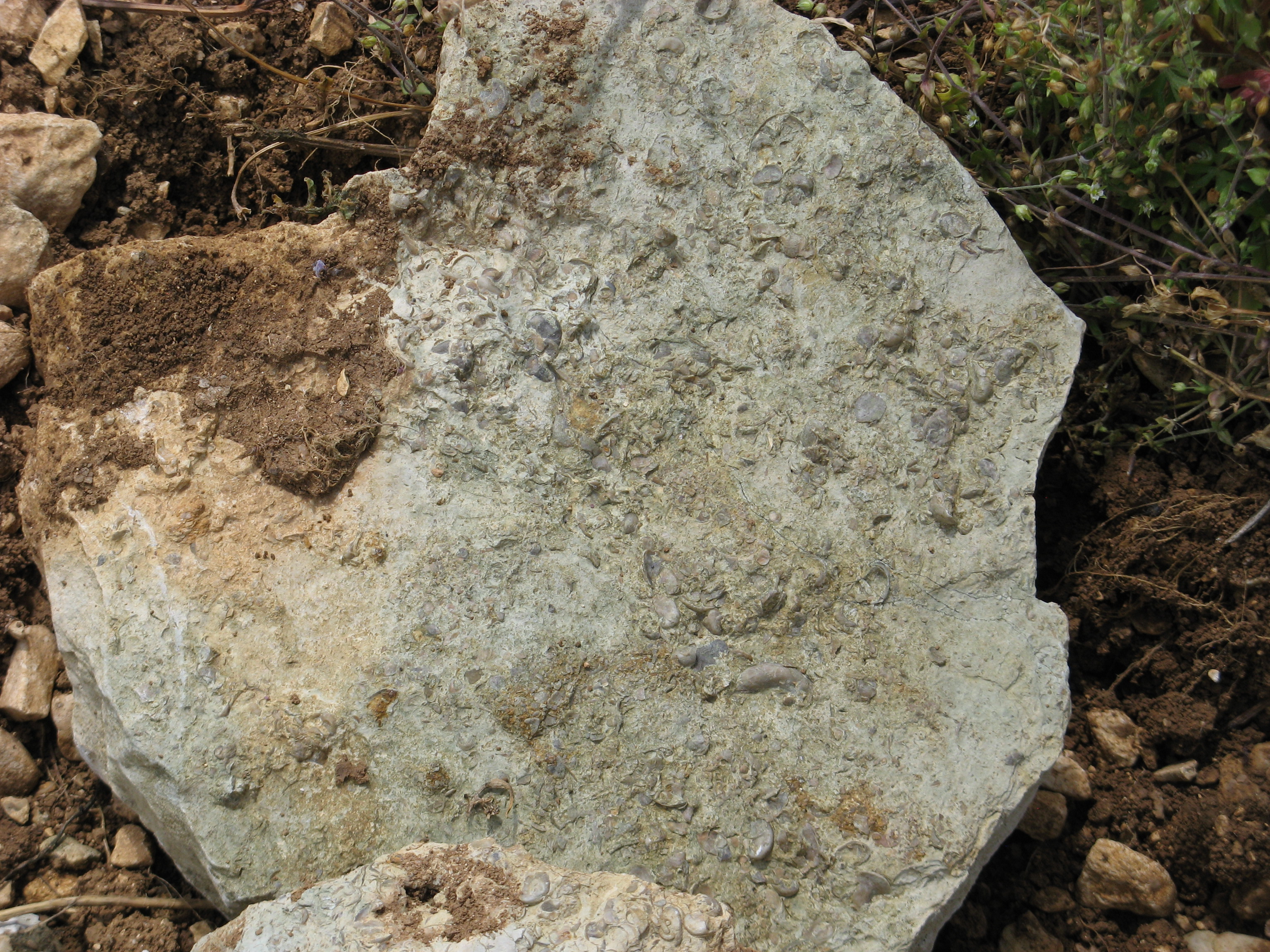
In 2023, Romain large contributions from lieu-dits Châtains and Mélinots with smaller contributions from Epinottes, Roncières and Vaillons proper. Between them, their ages average 40+ years, and since 2018 they have been certified agriculture biologique, otherwise known as organic. The soils across the whole Vaillons vineyards are composed of the very special aggreate of marine fossils called Kimmeridgian, which are part of what makes the Chardonnay of Chablis distinct from Chardonnay grown anywhere else. Romain raises the wine of each parcel in stainless steel tank, large neutral oak barrel or used Burgundy barrels depending on his appraisal of each. In 2023 the ratio is approximately 1/3 to each type of vessel. Romain finds his 2021 Vaillons “feminine and elegant wine, with a very long mouthfeel, of beautiful density.” Mr. Meadows says its, “Prominent petrol nuances dominate the nose of white pepper, acacia blossom and tidal pool today. On the palate the middle weight flavors possess a more refined mouthfeel, all wrapped in a stony, delineated and sneaky long finish.” The art of the blend is alive and well with Romain Collet.
Butteaux is considered one of Chablis’ greatest sites, recognized for its higher concentration of Kimmeridgian limestone that gives its wines a firm structure. Romain’s parcel was planted in 1972 (it has not been replanted) and is certified organic by the Bureau Veritas. Fermentation takes place in stainless steel and then the wine rests in older Burgundy barrels; total maturation is 16 months. Romain’s 2020 Butteaux is focused in it’s scents of dusty white and yellow florals with glimpses of shy citrus. Concentration and richness become apparent on the palate via a ripe but zesty core of fruit that is smooth, but dense in texture. There is a sense of fruit resting around a core of limestone depth. Butteaux is both generous and cerebral. Wrap your brain around that and you will know what delicious is.
Among the 1er Cru vineyards of Chablis, Montée de Tonnerre is known as an outlier because of its proximity to the Grand Cru vineyards on the right bank of the Serein River. Romain draws from a single parcel, with vines ranging between 25 and 45 years-old steeped in Kimmeridgian chalk. The wine ferments and matures in used Burgundy barrels for about 12 months, is racked into stainless steel tanks, and then returned to barrel for a total maturation of 15 months. Romain eschews new barrels for most of his wines, but uses a small percentage of new wood in this wine (5%). Of all of his 1er Cru sites, he feels that Montée de Tonnerre can handle it, due its bounless moxie. Texturally the wine reflects the site’s vigorous stone, with floral citrus, and a saltine crunch. Where Mont de Milieu emphasizes breadth and roundness, Montée de Tonnerre is an ambassador of tension.
The Collet parcel of Valmur (.51ha) was planted in 1973 in the middle of the Grand Cru, with a west-northwest aspect that is unusual. The site is certified organic by the Bureau Veritas. Valmur has depth and aromatic generosity like its powerhouse counterpart to the east, Les Clos. For Chablis, it’s a warm site, and tends to be more floral and fruity, compared with cooler sites. Romain’s western exposure tempers the warmth of the site allowing for longer hang-time and more refined stone-fruit character. Indeed, Romain is often the last to pick in Valmur. Romain’s two Grand Cru wines are fermented and aged in used Burgundy pieces for about 18 months before bottling. Generous and mouth-filling ripe pit-fruit with bright lemon minerality. Weight and balance on the palate integrate the density of fruit so well. Romain’s Valmur Grand Cru 2023 is a profound glass of wine now that will gain depth and complexity as the years go by.
With its spectacular bowl-shape and dramatic topography, Les Clos is a site renowned for wines of ripeness and power, while remaining quintessentially Chablisienne, which is to say, restrained, framed by soil and cool sun. Romain’s single parcel was planted in the 1970s, and today it is organic certified by the Bureau Veritas. Treated exactly the same in the cellar as Valmur, Les Clos is a perfect balance of fruit and mineral as well as tension and texture. Les Clos is perhaps Romain’s most glorious parcel and fittingly, one for the cellar, as it’s denser aromatically and texturally than Valmur, and will need a few years en repose before it begins to unfurl.